


Coercive Relations in Africa: From the IMF to Türkiye, UAE and the Rest
Imperialist competition and wars that facilitate extractivism have long shaped the use of seaports for access to resources, markets, and devalued labor. In the last decade, countries in the chain of imperialist exploitation have increased attempts to restore the external domination of African ports and lands while producing conditions that ensure wars, instability, corruption, and perpetuate a cycle of theft and underdevelopment. The war on Iran is set to sharpen these conditions as countries like the UAE and Turkey attempt to maintain their positions in a crumbling system.

Karim F Hirji discloses how two of Tanzania's horticultural treasures of historic import are succumbing to subtle neocolonial domination.

In this first part of a two-part policy note, Yassine Fall examines Senegal’s relations with the IMF. The analysis shows how the cycle of debt and adjustment in Senegal, and other parts of Africa and the developing world, has adversely affected the transformation of these countries.

Abukar assesses the cost of Türkiye's relations with Somalia on the lives and properties of Somalis in their homes and during their economic activities.

A review of a sorrowful and remarkable account of Janet Alders’ undaunted struggle for justice for his brother, Christopher Alder, who was unlawfully murdered in police custody in Hull and whose body was denied justice in death through body swap.

Bond and colleagues examine the convergence of corporate hegemony, anti-labour views, state capture and far-right alignment to answer the question of what to do with the world’s richest man and all that he represents.

Saad Kassis-Mohamed argues that legal literacy is one necessary part of turning formal equality into rights women can understand, reach and use in practice.

Biometric data is a new gold which various countries and corporate entities are seeking to extract profit from and exert control over populations across the world. The High Court of Kenya resisted this new extractivism and ordered the deletion of biometric data of several thousands of Kenyans whose economic difficulties had been exploited to obtain records of their iris.
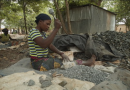
Women artisanal miners in Tanzania and across Africa reveal gender as a structural location, not merely an identity. Elite “empowerment” and boardroom gains leave grassroots women crushing ore and absorbing care costs. Materialist womanist analysis demands structural accountability beyond representation, formal equality or scandal. Women’s subordinated position in artisanal and small-scale mining (ASM) is no reason to normalise the sector: ASM injures workers, contaminates communities and dumps health costs onto the households that depend on it.