


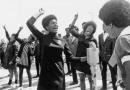
The Nelson Mandela Centenary will be making headlines around the world on 18 July. But 50 years ago, Mandela was in prison and the African National Congress was virtually defunct within South Africa. Instead, it was a students’ organisation that reignited the struggle against apartheid.
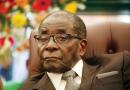
If Zimbabwe’s heroines Mbuya Nehanda and Sekuru Kaguvi were here today, what would they have done as the country is run down by erstwhile liberators gone rogue? Fold hands and watch? Make social media jokes out of their suffering and laugh at themselves? Throw stones at those who dare rise and speak out? No! Those two were allergic to indignity, exploitation, suffering without action, disenfranchisement and subjugation.
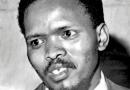
Forty years after Steve Biko’s murder in detention, the world we live in has not changed fundamentally for Black people. Regardless of where you reside in the world, how educated you are, religious, progressive or nice you may think you are, if you are Black you are guaranteed the scorn, humiliation, violence and death that Biko and others had to confront.
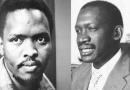
The same people who did everything they could to vilify both Biko and Sobukwe while they lived – and have taken part in attempted erasure of their legacies – pretend to honour these anti-apartheid icons. Today, those who paid a painful price for associating with Biko and Sobukwe watch how others gobble up the fruit of their sacrifices, as they and their families continue to suffer in silence.
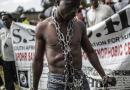
If Steve Biko – the iconic leader of South Africa’s Black Consciousness Movement - were alive today, what would he make of the Afrophobia/xenophobia in South Africa? Would he stridently denounce it – unlike South Africa’s leaders – and seek to foster a new sense of self-love in the transformed slogan: “Black is Beautiful! Be Proud of your Blackness and the Blackness of other Africans!”?
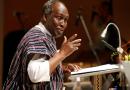
Before the start of a public lecture by Ngũgĩ wa Thiong’o in South Africa, student activist Kolosa Ntombini requested the renowned Kenyan writer and academic to ask white people in the audience to leave the hall as only black people could meaningfully discuss decoloninization. Kolosa recounts the episode.
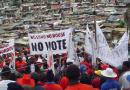
South Africa no longer belongs to the people but to the rich few. The hopes of the liberation struggle have evaporated. Only a new leadership that is guided by the interests of the citizens will save the nation.
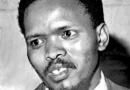
To think Black first is a revolutionary call to equip Black people with the necessary mental and practical capacity to liberate themselves from the bottom of society where white supremacy through slavery, colonialism and apartheid has condemned them. The legacy of Biko teaches that to think Black first is the means to end divisions among Black people and to forge a united front against white power.
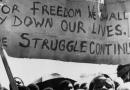
Contrary to repeated claims, the Soweto Uprising of 40 years ago was organised and led by student members of the Black Consciousness Movement of Steve Biko. They are the people who politicised other students and imbued them with the revolutionary black consciousness philosophy. They were all found guilty of sedition in the Soweto 11 trial.
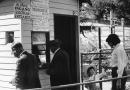
Racism has succeeded not just in making anti-Black violence a part of normal human existence, but it has also succeeded in making Black people numb to their own pain and suffering, and in many instances, made it normal for Black people to become participants in their own oppression.