


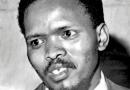
Forty years after Steve Biko’s murder in detention, the world we live in has not changed fundamentally for Black people. Regardless of where you reside in the world, how educated you are, religious, progressive or nice you may think you are, if you are Black you are guaranteed the scorn, humiliation, violence and death that Biko and others had to confront.
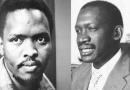
The same people who did everything they could to vilify both Biko and Sobukwe while they lived – and have taken part in attempted erasure of their legacies – pretend to honour these anti-apartheid icons. Today, those who paid a painful price for associating with Biko and Sobukwe watch how others gobble up the fruit of their sacrifices, as they and their families continue to suffer in silence.
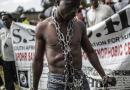
If Steve Biko – the iconic leader of South Africa’s Black Consciousness Movement - were alive today, what would he make of the Afrophobia/xenophobia in South Africa? Would he stridently denounce it – unlike South Africa’s leaders – and seek to foster a new sense of self-love in the transformed slogan: “Black is Beautiful! Be Proud of your Blackness and the Blackness of other Africans!”?
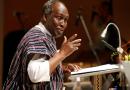
Before the start of a public lecture by Ngũgĩ wa Thiong’o in South Africa, student activist Kolosa Ntombini requested the renowned Kenyan writer and academic to ask white people in the audience to leave the hall as only black people could meaningfully discuss decoloninization. Kolosa recounts the episode.

The current student protests have their antecedents in the youth movements of 40 years ago. These students are fighting for their lives, their dignity and their humanity. Their resistance to white supremacy should provide inspiration to Black girls colonized in the US, Europe and around the world.