


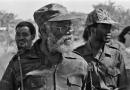
A man of strong beliefs and convictions, Cde Toivo dedicated his life to the fight against oppression by the then South Africa authorities, rejecting apartheid South Africa’s reduction of sovereign Namibia into its colony. His life was the personification of solidarity, the quest for self-determination and unyielding commitment to the liberation of his people.

The ruling parties in the two countries have adjusted in different ways since taking power. SWAPO has entrenched its political dominance in all spheres of society since independence. The ANC is in decline and faces massive public protest and political opposition. In both cases the presidents have resorted to populism to pursue their agendas.

Throughout his life, he refused to collaborate with the ruling elite and remained committed to the principle of internationalism as witnessed by him joining up with Namibian migrant workers in Cape Town in the 1950s, or later being the people’s doctor in Lusaka where he treated fighters from various national liberation movements in southern Africa.

Namibia marked its 27th independence anniversary on Tuesday. Despite the government’s populist rhetoric, Namibia remains a rich country with poor people. Redistribution of wealth is mainly limited to a new black elite. These are office bearers, party stalwarts and those with close ties to the state. They thrive through a policy of so-called affirmative action and black economic empowerment.
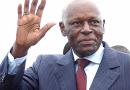
It is normal for resistance movements to adopt rough survival strategies and techniques while fighting an oppressive regime. Unfortunately, such confrontational mentality becomes entrenched in an authoritarian political culture that is based on the claim that liberators have an entitlement to rule within a new elite project.