


Throughout his life, he refused to collaborate with the ruling elite and remained committed to the principle of internationalism as witnessed by him joining up with Namibian migrant workers in Cape Town in the 1950s, or later being the people’s doctor in Lusaka where he treated fighters from various national liberation movements in southern Africa.
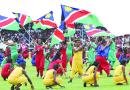
Namibia marked its 27th independence anniversary on Tuesday. Despite the government’s populist rhetoric, Namibia remains a rich country with poor people. Redistribution of wealth is mainly limited to a new black elite. These are office bearers, party stalwarts and those with close ties to the state. They thrive through a policy of so-called affirmative action and black economic empowerment.
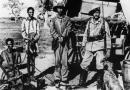
Negotiations with descendants of the Herero and Nama people massacred by Germany in Namibia have been difficult. The government of Chancellor Merkel does not want to pay compensation for the genocide. But at the same time Germany is attempting to reassert its political and economic influence in Africa.