


A multi-pronged approach is needed to end FGM in one generation. This includes prevention, protection, provision of services, partnerships and prosecutions. States must live up to their international obligations to protect women and girls.
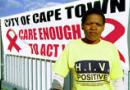
Despite the advancement of women’s rights legal frameworks and discourse in Africa, there’s been little substantial change in the situation of African women, writes Mary Wandia.

As a range of interest groups clamour for amendments to Kenya’s draft constitution on the basis of claims that it ‘legalises abortion’, Mary Wandia asks them to consider the ‘sobering facts on abortion, women’s rights and the status of women’. Voluntary abortion ‘happens irrespective of whether laws making it legal or illegal exist’, writes Wandia, and Kenya’s current legislation simply ‘makes safe abortion “illegal” and unsafe abortion “legal”, sentencing poor women and girls to unnecessary and preventable suffering and death.’

Despite the wide adoption of protocols for gender equality across Africa, ‘violations of women’s human rights have reached epidemic proportions,’ Mary Wandia writes in Pambazuka News, ‘and unless we adopt a multi-sectoral approach in the implementation and monitoring of regional and international commitments, we shall continue to marginalise half of the continent’s population.’ With the Beijing +15 Africa Review meeting underway in Banjul, Wandia asks whether Africa’s ministers for gender and women will ‘rise up to the challenge’.
This year's Campaign on Violence Against Women has found encouragement in the African Union's Protocol on the Rights of Women. While 31 countries have signed the Protocol, only five have ratified (Comoros, Rwanda, Libya, Botswana, Namibia and Lesotho). While Kenya, Tanzania and Uganda have signed the protocol, their presidents are yet to ratify it. The violation of women's rights in East Africa is largely born out of the unequal power relations between women and men. Poverty and conflict fuel ritual murder, gang rape, trafficking in women and girls and mistreatment of widows, among others.
Background
That women and men enjoy the same rights and dignity has been confirmed by regional and international conventions and declarations including the United Nation’s (UN) Universal Declaration on Human Rights, the Convention on the Elimination of All forms of Discrimination Against Women (CEDAW), and the Beijing Declaration and Platform for Action. The African Union (AU) has, in addition, reiterated its commitment to the same ideals through the African Charter on Human and Peoples’ Rights (The Charter) and recently, in specific terms, in the Protocol to the African Charter on Human and People’s Rights on Rights of Women in Africa (The Protocol). As we mark the “16 Days of Activism against Gender-Based Violence”, November 25-December 10, 2004, it is important to look at how the Protocol, once it comes into force, will address gender-based violence in Africa.
Substantive norms of international law are defined in relation to men’s experience, and stated in terms of discrete violations of rights in the public realm. In addition, inattention to rights of particular interest to women in the international human rights discourse has resulted in neglect, and pervasive denial, of the rights of women in particular in the private sphere. Gender specific abuses of human rights such as gender-based violence have been widely perceived as women’s issues rather than as human rights concerns.
For instance, human rights guarantees in the legally binding United Nations International Covenant on Civil and Political Rights (ICCPR) and International Covenant on Economic, Social and Cultural Rights (ICESCR) such as those to the right of life, to bodily integrity, and to be free from torture, cruel and degrading treatment, have not been interpreted to include such acts as domestic violence, rape, female genital mutilation, forced sterilization, forced childbirth, and numerous other forms in which violence against women and girls is manifested.
The provisions of the AU’s Charter are not adequate to address the rights of women. For example, while Article 18 prohibits discrimination against women, it does so only in the context of the family. In addition, explicit provisions guaranteeing the right of consent to marriage and equality of spouses during and after marriage are absent. These omissions are compounded by the fact that the Charter places emphasis on traditional African values and traditions without addressing concerns that many customary practices, such as female genital mutilation, violence against women, forced marriage, and wife inheritance, can be harmful or life threatening to women. By ignoring critical issues such as custom and marriage, the Charter inadequately defends women’s human rights. Thus the need for the Protocol to address African women’s concerns on gender-based violence as listed below.
Gender-Based Violence: African Women’s Concerns:
- Lack of understanding of gender-based violence and its root cause - unequal power relations between men and women, with efforts to address the issue very often being reactive, focusing on symptoms and consequences, not causes;
- Lack of legally binding international recognition of reproductive and sexual rights. The efforts have yet to achieve international recognition beyond Declarations, which only constitute ‘soft international law’ and are not legally binding. This is due to strong resistance from conservative states and religious organisations;
- Lack of states’ commitment to the application of national, regional and international instruments and agreements, which guarantee the protection, prevention and promotion of human rights. Most countries in Africa have not brought their domestic laws into conformity with their provisions;
- Lack of qualitative and quantitative research on women’s human rights issues in Africa and documentation of women’s human rights abuses, particularly in the private arena, such as rape, sexual harassment;
- The big gap between the provisions of the law and practice. Laws are not systematically enforced due to lack of gender sensitive enforcement agencies and procedures, making the rights inaccessible to the majority of women;
- Multiplicity of legal systems in Africa, and the conflict between civil, customary and religious laws, constitute a major challenge to the protection of women’s rights. Thus abuses on the rights of women, especially by private individuals remain endemic in spite of the law;
- The private/public dichotomy that is detrimental to women continues to exist. In most African countries, the same constitutional provisions that guarantee gender equality allow exceptions in the so-called “private law” areas of customary law, personal law and family law. Serious violations of women’s human rights such as gender-based violence and provisions that discriminate against them are found in that private sphere;
- Gender-based violence in Africa is on the increase due to poverty and conflict. Forms of violence include femicides, acid attacks, ritual murders, gang rapes, abduction, girl-child slavery, ritual rapes, military sexual slavery, cultism in tertiary institutions, trafficking in women and girls, mistreatment of widows;
- In conflict situations, gender-based abuses are not an accident of war, they constitute a deliberate strategy designed to intimidate or undermine and inflict deep and lasting damage on entire communities;
- Lack of efforts to reduce problems faced by women in refugee camps including lack of physical security and privacy, sexual exploitation, physical and mental illness, including HIV/AIDS;
- Vulnerability of refugee women and girls, particularly those with inadequate documentation or single and unaccompanied, to physical and sexual abuse during flight, on arrival in refugee camps and in the country of ultimate settlement. This gender dimension is not given consideration in humanitarian programmes;
- Women in Africa still remain vulnerable to harmful traditional practices and customs, many of which expose them to HIV/AIDS that has been devastating the continent.
Linking the Protocol to the Elimination of Gender-Based Violence in Africa
At the UN and AU levels, there have been efforts to address gender-based violence as discussed below:
- In 1993, the Declaration and Programme of Action of the World Conference on Human Rights at Vienna emphasized, “The human rights of women and of the girl child are an inalienable, integral and indivisible part of the universal human rights”. It also emphasized that elimination of gender-based violence is a human-rights obligation upon states. This was the first attempt to address the marginalisation of women’s human rights from the work of the mainstream human rights bodies;
- The Declaration on the Elimination of Violence against Women, adopted by the UN General Assembly in December 1993 locates violence against women within the framework of violation of human rights obligations, categorizing it as an issue of inequality and discrimination against women, and sets out strategies that member states and United Nations agencies should employ to eliminate its occurrence;
- The Beijing Declaration and Platform for Action with respect to gender-based violence calls for governments’ condemnation of gender-based violence and due diligence in the prevention, investigation and punishment of acts of gender-based violence, implementation of existing international standards with respect to violence against women, and the support of international mechanisms in that regard;
- Appointment of Special Rapporteurs on violence against women and women rights at the UN and AU respectively;
- The AU in 2003 adopted the Protocol to the African Charter on Human and People’s Rights on the Rights of Women in Africa to address African women’s human rights concerns.
The Protocol primarily complements the Charter and international human rights conventions by focusing on concrete actions and goals to grant women rights. It further domesticates CEDAW and the Beijing Declaration and Platform for Action in the African context. The Protocol integrates legal and policy actions to comprehensively address gender-based violence. It further provides a legal mechanism for redress through the African Court of Human and Peoples’ Rights for violations of rights enshrined within it.
On gender-based violence, Articles 2, 3, 4, 5, 8,10, 11 and 13 of the Protocol are dedicated to concrete actions for State Parties. The Articles focus on: elimination of discrimination against women, right to dignity, the rights to life, integrity and security of the person, right to peace, right to justice and equal protection before the law, protection of women in armed conflict, economic and social welfare rights and elimination of harmful practices. Thus the Protocol offers Member States of the AU a comprehensive mechanism to implement legal and policy actions to eliminate gender-based violence according to regional and international human rights instruments they have already acceded to. Below are some of the legal and policy actions that have been recommended to governments to eliminate gender-based violence and as compared below, the Protocol has integrated all of them. They include to:
- harmonise national laws and constitutions in line with regional and international commitments and standards to avoid inconsistencies. Article 8 (f);
- establishment and support services to respond to the needs of survivors of gender-based violence and girls and assist towards full recovery and reintegration into society, including legal aid, economic support and livelihood assistance. Article 2 (2) (e) and (f). Article 5 (c). Article 8 (b);
- implement national legislation and policies prohibiting harmful customary or traditional practices and all other harmful practices that violate women’s and girls’ human rights. Article 2 (b) Article 5 (b) and d;
- ensure that women are safe at work by supporting measures that promote the creation of a workplace environment free from sexual harassment or other violence and ensure all employers to put in place policies designed to eliminate and deal effectively with harassment of women whenever it occurs in the workplace. Article 13 (c);
- research, document and disseminate information on women’s human rights violations to policy makers and all other stakeholders. The research should focus on root causes including external factors, extent, causes and data and statistics on its economic and social costs its consequences. Article 4 (2) c. Article 5 (a);
- introduce legal literacy programmes to make women aware of their rights and methods of seeking protection under the law. Article 8 (c);
- encourage, support and implement measures aimed at increasing the knowledge and understanding of gender-based violence and other violations of women’s human rights, through gender analysis and gender sensitive training for personnel in the administration of justice, law enforcement agencies, security, social and health care services and ensure their accountability. Article 4 (2) b. Article 8 (c);
- introduce participatory educational programmes on human rights, conflict resolution and gender equality, for women and men of all ages, beginning with boys and girls. Article 8 (c);
- formulate comprehensive and multidisciplinary and co-ordinated national plans, programmes or strategies, which will be widely disseminated, to eliminate violence against women and girls and provide targets for implementation and effective enforcement and monitoring mechanisms. Article 5 (a) Article 2 (2). Article 26, Article 27;
- enact and implement laws against trafficking in persons. They should also develop strong and effective national, regional and international co-operation to prevent and eliminate trafficking in women and girls, particularly for purposes of economic and sexual exploitation including prostitution. Article 2 (2) g;
- introduce public awareness and advocacy strategies seeking to make gender-based violence a critical concern to everyone. Article 2 (2);
- encourage promotion of media portrayals of women and men as cooperative and full partners. The notions that male violence against women is a natural expression of masculinity and that women are helpless and subordinate to men require constant challenge and not reinforcement. Article 13 (m);
- ensure that women particularly those who bear the brunt of conflict, are an integral and meaningful part of every peace process. They should be involved in all conflict prevention, resolution, and management efforts at all levels as provided for in the UN Security Council Resolution 1325. Article 10. Article 11;
- direct special attention to the long-term health needs of women affected by armed conflict. These include the psychological needs arising from trauma and the effects of violations of reproductive rights and HIV/AIDS infection. Article 2 (2) k. Article 10;
- recognize the interconnection of forms of gender-based violence with other forms of discrimination and introduce broad efforts aimed at increasing women's economic and social autonomy Article 2 (c) and (e). Article 13;
Conclusion
Gender-based violence is a crosscutting and complex phenomenon that needs to be tackled on all fronts. The Protocol provides a comprehensive mechanism for addressing gender-based violence in Africa. However, African women cannot access and use it for the full enjoyment, promotion and protection of their human rights, as it has not entered into force. It requires 15 ratifications to enter into force. However, only 4 member states of the AU have ratified it. Therefore, there is need to ensure that we remind all Member States of the AU to ratify it during the 16 Days of Activism Against Gender-Based Violence in accordance with the commitment they made in the AU Solemn Declaration on Gender Equality in Africa, 2004, to ratify it by the end of this year. To end impunity on the violation of African women’s human rights through gender-based violence, it is time for our leaders to walk the talk and ratify the Protocol.
* Mary Wandia is the Advocacy Officer with The African Women’s Development and Communication Network (FEMNET) E-mail: [email][email protected]
* Please send comments to [email protected]
>>>>>Sign up for women’s rights: http://www.pambazuka.org/petition/alerts.php
The African Charter on Human and Peoples' Rights, hereafter referred to as the Charter, recognizes the importance of women's rights through three main provisions. Article 18(3), covering the protection of the family, promises to ensure the elimination of all discrimination against women and also ensure protection of the rights of women. Article 2, the non-discrimination clause, provides that the rights and freedoms enshrined in the Charter shall be enjoyed by all irrespective of race, ethnic group, colour, sex, language, religion, political or any other opinion, national and social origin, fortune, birth or other status. And Article 3, the equal protection clause, states that every individual shall be equal before the law and shall be entitled to the equal protection of the law.
However, the above provisions are not adequate to address the rights of women. For example, while Article 18 prohibits discrimination against women, it does so only in the context of the family. In addition, explicit provisions guaranteeing the right of consent to marriage and equality of spouses during and after marriage are absent. These omissions are compounded by the fact that the Charter places emphasis on traditional African values and traditions without addressing concerns that many customary practices, such as female genital mutilation, forced marriage, and wife inheritance, can be harmful or life threatening to women. By ignoring critical issues such as custom and marriage, the Charter inadequately defends women's human rights.
The World Conference on Human Rights held in Vienna, Austria in 1993 made advances to human rights theory and practice with respect to women's human rights. The Declaration and Programme of Action of the World Conference on Human Rights at Vienna emphasized, "The human rights of women and of the girl child are an inalienable, integral and indivisible part of the universal human rights".
It also emphasized that elimination of violence against women is a human-rights obligation upon states. This was the first attempt to address the marginalisation of women's human rights from the work of the mainstream human rights. Thus the slogan that emerged from Vienna: women's rights are human rights. Following almost directly on from Vienna, it was imperative for the African Commission on Human and People's Rights (ACHPR) to expose the specific inequalities that impact negatively on the lives of women and thereby acknowledge that "women's rights as human rights must be respected and observed".
The Process of Developing the Protocol to the African Charter on Human and People's Rights on the Rights of Women in Africa. Article 66 of the Charter that provides for the establishment of Protocols and Agreements to supplement its provisions gave impetus for the consideration and subsequent formulation of the Protocol to the African Charter on Human and Peoples' Rights on the Rights of Women in Africa, hereinafter referred to as the Protocol. The process started with a meeting organised by Women in Law and Development in Africa (WiLDAF)[i] on the theme "The African Charter on Human and People's Rights and the Human Rights of Women in Africa" in March 1995 in Lome, Togo. The meeting called for the development of a Protocol to the Charter on Women's Rights. The meeting also called on the ACHPR to appoint a Special Rapporteur on Women's Rights in Africa.
The Assembly of Heads of States and Government of the Organisation of Africa Unity (OAU) at its 31st Ordinary Session in June 1995, in Addis Ababa, mandated the ACHPR to elaborate a Protocol on the Rights of Women in Africa[ii] . The first Draft was prepared by the experts group meeting organised by the ACHPR and the International Commission of Jurist (ICJ) in Nouakchott, Mauritania, April 1997. The experts comprising of members of the ACHPR, representatives of African NGOs and international observers prepared the first Draft Protocol that was submitted to the ACHPR during its 22nd Session held in October 1997 for consideration and comments. The draft was also circulated to NGOs for comments.
The 12th ICJ workshop on "Participation in the African Commission on Human and People's Rights", October 30 to November 1, 1997, in The Gambia, provided the opportunity for NGOs to make input into the Draft Protocol and pass a resolution calling upon the ACHPR to ensure the completion of the Draft Protocol in time for presentation to the next session of the ACHPR.
The First Meeting of the Working Group on Women's Rights that brought together members of the ACHPR, the ICJ, WiLDAF and the African Centre for Democracy and Human Rights Studies (ACDHRS) was held in Banjul, The Gambia from 26-28 January 1998. The meeting amended the Draft Protocol and developed the terms of reference for the appointment of a Special Rapporteur on the Rights of Women in Africa. During its 23rd Session held in April 1998, the ACHPR endorsed the appointment of the first Special Rapporteur on Women Rights in Africa with a mandate that included working towards the adoption of the Draft Protocol on Women's Rights. The ACHPR forwarded the Draft Protocol to the OAU Secretariat in 1999. The Inter Africa Committee (IAC) and ACHPR met to merge the Draft Convention on Traditional Practices with the Draft Protocol in 2000, in Addis Ababa, Ethiopia.
The first OAU Government Experts Meeting on The Draft Protocol was held in November 2001, in Addis Ababa, Ethiopia. The experts amended the Draft Protocol developed by the ACHPR and called on the OAU to schedule a second AU experts meeting in 2002 to consider the draft again before the hosting of an OAU ministerial meeting on the same issue. African women's organisations participated in the meeting as observers. The OAU scheduled the second experts meeting and ministerial meeting two times in 2002 but had to postpone them due to lack of quorum. Thus the Draft was not presented for adoption by the inaugural Summit of the African Union (AU) held in Durban, South Africa in July 2002 and it seemed that there was little political will among African governments to move this process forward.
In January 2003, African women's organisations from across the continent met in Addis Ababa, Ethiopia at a meeting convened by Equality Now, FEMNET and the Ethiopian Women Lawyers Association (EWLA) to come up with strategies to lobby the AU and individual governments to schedule and attend the expert and ministerial meetings on the Draft Protocol. Represented at the meeting were ACDHR, Akina Mama Wa Africa, the Association of Malian Women Lawyers (AJM), the Association of Senegalese lawyers (AJS), Equality Now, EWLA, Femmes Afrique Solidarite (FAS), FEMNET, WiLDAF, and WRAPA. These organisations pooled comments in a collective mark-up to strengthen the document and bring it into line with international standards. Following the meeting they met with officials of the AU, including the then Acting Commissioner for Peace and Security, who was in charge of the Protocol, and urged him to call for the second experts and ministerial meetings on the Protocol in March 2003 in an effort to ensure that the Draft Protocol was adopted by the AU Summit in July 2003. The organisations further lobbied ministries of Justice and Gender at national level through their networks to confirm their participation to ensure the AU obtained the required quorum.
The Second AU Experts Meeting followed by the Ministerial Meeting on the Draft Protocol was held in March 2003, in Addis Ababa, Ethiopia. The meetings amended and adopted the Draft Protocol and recommended it for adoption by the Executive Council and Assembly of the AU. But this was only after African women's organisations attended the meetings as observers and lobbied the experts and ministers to strengthen the Draft Protocol to the level of regional and international human rights agreements on women. The Second Ordinary Summit of the AU adopted the Protocol to the African Charter on Human and Peoples' Rights on the Rights of Women in Africa on July 11 2003 in Maputo Mozambique[iii] . The Assembly appealed to all member states to sign and ratify the Protocol in order to ensure its speedy entry into force. The Protocol will enter into force thirty days after the deposit of the fifteenth instrument of ratification. The Protocol will complement the African Charter in ensuring the promotion and protection of the human rights of women in Africa.
Content and meaning for women in Africa
Mainstream international human rights standards are defined in relation to men's experience, and stated in terms of discrete violations of rights in the public realm whereas most violations of women's human rights occur in private. The private/public dichotomy that is detrimental to women continues to exist. In most African countries, the same constitutional provisions that guarantee gender equality allow exceptions in the so-called "private law" areas of customary law, personal law and family law. Serious violations of women's human rights such as violence against women and provisions that discriminate against them are found in that private sphere.
Human rights guarantees in the legally binding human rights conventions such as those to the right of life, to bodily integrity, and to be free from torture, cruel and degrading treatment, have not been interpreted to include such acts as domestic violence, rape, female genital mutilation, forced sterilisation, forced childbirth, and numerous other forms in which violence against women and girls is manifested in Africa.
Provisions on women's human rights in the UN Convention on the Elimination of all Forms of Discrimination Against Women (CEDAW), and the Beijing Declaration and Platform for Action have not involved a conceptual shift or effected structural changes needed to implement their resolutions. The Protocol[iv] primarily complements the African Charter and international human rights conventions by focusing on concrete actions and goals to grant women rights. It further domesticates CEDAW and the Beijing Declaration and Platform for Action in the African context.
The Protocol is divided into three sections. The first section covers the rationale behind its elaboration, making reference to both regional and international commitments regarding women's human rights. The second section outlines the rights to be upheld by the Protocol. And the third and final section covers implementation by addressing the manner in which it is to be adopted and monitored, as well as the process through which it may be amended. The Protocol affirms four broad categories of rights: civil and political rights; economic, social and cultural rights; the rights to development and peace; and reproductive and sexual rights.
Status of Ratification
Almost a year after its adoption, only four member states of the AU, The Comoros, Rwanda, Libya and Namibia have signed and ratified it. Thirty-one member states have signed but are yet to ratify it as of July 19, 2004[v] . 12 more countries must ratify it in order for the Protocol to come into force. Its entry into force is critical because it will commit governments to:
- Submit periodic reports to the ACHPR on legislative and other measures they have undertaken to ensure the full realisation of rights recognised under the Protocol;
- Integrate a gender perspective in their policy decisions, legislation, development plans and activities and ensure the overall well-being of women;
- Include in their national constitutions and other legislative instruments fundamental principles of the Protocol and ensure their effective implementation;
- Eliminate all forms of violence and discrimination against women in Africa and promote equality between men and women;
Advocacy Needs and Initiatives
Given the time and effort necessary to persuade governments to adopt this Protocol compared with the desperate urgency to promote, protect and safeguard women's human rights in Africa, African civil society organisations have to campaign and lobby governments to sign and ratify the Protocol as soon as possible and in any event, as a gesture of commitment, before the end of 2004.
Oxfam GB, Equality Now, FEMNET, CREDO for Freedom of Expression and Associated Rights and FAHAMU have started a campaign targeting countries that have already signed with the aim of lobbying them to ratify. They have drafted a petition to be presented to the AU. Kindly sign up at:
To supplement their efforts you could as an individual or organisation:
- Contact relevant government officials in ministries of foreign affairs, women's affairs, and justice and urge them to ratify the Protocol;
- Urge governments to be fully involved in the full realisation of the human rights of women, if they have not done so;
- Encourage government officials to include the issue of the Protocol in contacts with other governments and to state their positions publicly in the media or other events;
- Inform and increase public awareness about the Protocol by putting women's issues on the human rights agenda at various fora;
- Mobilise national and local support for the Protocol among academicians, parliamentarians, and the media;
- Work on creating a better and common understanding of issues as provided for in the Protocol;
- Support the organisation of local focal points on the Protocol to lobby and monitor government positions. The focal points will later be effective in the monitoring of implementation of the Protocol by governments;
Conclusion
The Protocol, once it enters into force, will usher in a new and significant era in the promotion and protection of the rights of women in Africa and end impunity for all forms of violations of the human rights of women in Africa. As Dr Angela Melo, Special Rapporteur on the Rights of Women, ACHPR notes:
"The women of Africa who have suffered for long, their efforts at building our beloved continent have gone on for long without acknowledgement, and the men of Africa should be equally committed to the task. The urgent need to work towards the ratification and effective implementation of the Protocol urgently is a great challenge, yet a duty we all owe to posterity and to Africa."[vi]
*Mary Wandia is the Advocacy Officer with The African Women's Development and Communication Network (FEMNET) E-mail: [email][email protected]
* This article was originally published in Pambazuka News Issue 159 in June 2003.
NOTES
i. www.africa-union.org/home/Welcome.htm
v. See full list of countries that have signed/ratified at www.africa-union.org/home/Welcome.htm
vi. Dr Angela Melo, Special Rapporteur on Women's Rights in Africa, ACHPR in a paper presented during FEMNET's Regional Strategy Meeting on Gender Mainstreaming in the African Union on the theme "From OAU to African Union and NEPAD: Strategies for African Women" October 27-31, Nairobi, Kenya.
The African Charter on Human and Peoples’ Rights recognizes the importance of women’s rights through three main provisions. Article 18(3), covering the protection of the family, promises to ensure the elimination of all discrimination against women and also ensure protection of the rights of women. Article 2, the non-discrimination clause, provides that the rights and freedoms enshrined in the Charter shall be enjoyed by all irrespective of race, ethnic group, colour, sex, language, religion, political or any other opinion, national and social origin, fortune, birth or other status. And Article 3, the equal protection clause, states that every individual shall be equal before the law and shall be entitled to the equal protection of the law.
However, the above provisions are not adequate to address the rights of women. For example, while Article 18 prohibits discrimination against women, it does so only in the context of the family. In addition, explicit provisions guaranteeing the right of consent to marriage and equality of spouses during and after marriage are absent. These omissions are compounded by the fact that the Charter places emphasis on traditional African values and traditions without addressing concerns that many customary practices, such as female genital mutilation, forced marriage, and wife inheritance, can be harmful or life threatening to women. By ignoring critical issues such as custom and marriage, the Charter inadequately defends women’s human rights.
The World Conference on Human Rights held in Vienna, Austria in 1993 made advances to human rights theory and practice with respect to women's human rights. The Declaration and Programme of Action of the World Conference on Human Rights at Vienna emphasized: “The human rights of women and of the girl child are an inalienable, integral and indivisible part of the universal human rights.”
It also emphasized that elimination of violence against women is a human-rights obligation upon states. This was the first attempt to address the marginalisation of women’s human rights from the work of mainstream human rights. Thus the slogan that emerged from Vienna: “Women's rights are human rights”. Following almost directly on from Vienna, it was imperative for the African Commission on Human and People’s Rights (ACHPR) to expose the specific inequalities that impact negatively on the lives of women and thereby acknowledge that “women’s rights as human rights must be respected and observed”.
Developing the Protocol to the African Charter on Human and People’s Rights on the Rights of Women in Africa:
Article 66 of the Charter that provides for the establishment of Protocols and Agreements to supplement its provisions gave impetus for the consideration and subsequent formulation of the Protocol to the African Charter on Human and Peoples’ Rights on the Rights of Women in Africa.
The process started with a meeting organised by Women in Law and Development in Africa (WiLDAF) on the theme “The African Charter on Human and People's Rights and the Human Rights of Women in Africa” in March 1995 in Lome, Togo. The meeting called for the development of a Protocol to the Charter on Women’s Rights. The meeting also called on the ACHPR to appoint a Special Rapporteur on Women’s Rights in Africa. The Assembly of Heads of States and Government of the Organisation of Africa Unity (OAU) at its 31st Ordinary Session in June 1995, in Addis Ababa, mandated the ACHPR to elaborate a Protocol on the Rights of Women in Africa.
The first Draft was prepared by the experts group meeting organised by the ACHPR and the International Commission of Jurist (ICJ) in Nouakchott, Mauritania, April 1997. The experts comprising of members of the ACHPR, representatives of African NGOs and international observers prepared the first Draft Protocol that was submitted to the ACHPR during its 22nd Session held in October 1997 for consideration and comments. The draft was also circulated to NGOs for comments.
The 12th ICJ workshop on “Participation in the African Commission on Human and People's Rights”, October 30 to November 1, 1997, in The Gambia, provided the opportunity for NGOs to make input into the Draft Protocol and pass a resolution calling upon the ACHPR to ensure the completion of the Draft Protocol in time for presentation to the next session of the ACHPR.
The First Meeting of the Working Group on Women’s Rights that brought together members of the ACHPR, the ICJ, WiLDAF and the African Centre for Democracy and Human Rights Studies (ACDHRS) was held in Banjul, The Gambia from 26-28 January 1998. The meeting amended the Draft Protocol and developed the terms of reference for the appointment of a Special Rapporteur on the Rights of Women in Africa.
During its 23rd Session held in April 1998, the ACHPR endorsed the appointment of the first Special Rapporteur on Women Rights in Africa with a mandate that included working towards the adoption of the Draft Protocol on Women’s Rights. The ACHPR forwarded the Draft Protocol to the OAU Secretariat in 1999. The Inter Africa Committee (IAC) and ACHPR met to merge the Draft Convention on Traditional Practices with the Draft Protocol in 2000, in Addis Ababa, Ethiopia.
The first OAU Government Experts Meeting on The Draft Protocol was held in November 2001, in Addis Baba, Ethiopia. The experts amended the Draft Protocol developed by the ACHPR and called on the OAU to schedule a second AU experts meeting in 2002 to consider the draft again before the hosting of an OAU ministerial meeting on the same. African women’s organisations participated in the meeting as observers. The OAU scheduled the second experts meeting and ministerial meeting two times in 2002 but had to postpone them due to lack of quorum. Thus the Draft was not presented for adoption by the inaugural Summit of the African Union (AU) held in Durban, South Africa in July 2002 and it seemed that there was little political will among African governments to move this process forward.
In January 2003, African women's organisations from across the continent met in Addis Ababa, Ethiopia at a meeting convened by Equality Now, FEMNET and the Ethiopian Women Lawyers Association (EWLA) to come up with strategies to lobby the AU and individual governments to schedule and attend the expert and ministerial meetings on the Draft Protocol. Represented at the meeting were ACDHRS, Akina Mama Wa Africa, the Association of Malian Women Lawyers (AJM), the Association of Senegalese lawyers (AJS), Equality Now, EWLA, Femmes Afrique Solidarite (FAS), FEMNET, WILDAF, and WRAPA. These organisations pooled comments in a collective mark-up to strengthen the document and bring it into line with international standards. Following the meeting they met with officials of the AU, including the then Acting Commissioner for Peace and Security, who was in charge of the Protocol, and urged him to call for the second experts and ministerial meetings on the Protocol in March 2003 in an effort to ensure that the Draft Protocol was adopted by the AU Summit in July 2003. The organisations further lobbied ministries of Justice and Gender at national level through their networks to confirm their participation to ensure the AU obtained the required quorum.
The Second AU Experts Meeting followed by the Ministerial Meeting on the Draft Protocol was held in March 2003, in Addis Ababa, Ethiopia. The meetings amended and adopted the Draft Protocol and recommended it for adoption by the Executive Council and Assembly of the AU. African women’s organisations attended the meetings as observers and lobbied the experts and ministers to strengthen the Draft Protocol to the level of regional and international human rights agreements on women.
The Second Ordinary Summit of the AU adopted the Protocol to the African Charter on Human and Peoples’ Rights on the Rights of Women in Africa on July 11 2003, in Maputo Mozambique. The Assembly appealed to all member states to sign and ratify the Protocol in order to ensure its speedy entry into force. The Protocol will enter into force after 15 countries have ratified it. The Protocol will complement the African Charter in ensuring the promotion and protection of the human rights of women in Africa.
Content and meaning for women in Africa
Mainstream international human rights standards are defined in relation to men's experience, and stated in terms of discrete violations of rights in the public realm whereas most violations of women’s human rights occur in private. The private/public dichotomy that is detrimental to women continues to exist. In most African countries, the same constitutional provisions that guarantee gender equality allow exceptions in the so-called “private law” areas of customary law, personal law and family law. Serious violations of women’s human rights such as violence against women and provisions that discriminate against them are found in that private sphere.
Human rights guarantees in the legally binding human rights conventions such as those to the right of life, to bodily integrity, and to be free from torture, cruel and degrading treatment, have not been interpreted to include such acts as domestic violence, rape, female genital mutilation, forced sterilisation, forced childbirth, and numerous other forms in which violence against women and girls is manifested in Africa.
Provisions on women’s human rights in the UN Convention on the Elimination of all Forms of Discrimination Against Women (CEDAW), and the Beijing Declaration and Platform for Action have not involved a conceptual shift or effected structural changes needed to implement their resolutions. The Protocol primarily complements the African Charter and international human rights conventions by focussing on concrete actions and goals to grant women rights. It further domesticates CEDAW and the Beijing Declaration and Platform for Action in the African context.
The Protocol is in three sections. The first section covers the rationale behind its elaboration, making reference to both regional and international commitments regarding women's human rights. The second section outlines the rights to be upheld by the Protocol. And the third and final section covers implementation by addressing the manner in which it is to be adopted and monitored, as well as the process through which it may be amended. The Protocol affirms four broad categories of rights: civil and political rights; economic, social and cultural rights; the rights to development and peace; and reproductive and sexual rights.
Status of Ratification
Almost a year after its adoption, only one member state of the AU, The Comoros, has signed and ratified it. Twenty-eight member states have signed but are yet to ratify it as at May 12, 2004. This calls for 14 more countries to ratify in order for it to come into force. Its entry into force is critical because it will commit governments to:
* Submit periodic reports to the ACHPR on legislative and other measures they have undertaken to ensure the full realization of rights recognized under the Protocol;
* Integrate a gender perspective in their policy decisions, legislation, development plans and activities and ensure the overall well-being of women;
* Include in their national constitutions and other legislative instruments fundamental principles of the Protocol and ensure their effective implementation;
* Eliminate all forms of violence and discrimination against women in Africa and promote equality between men and women.
Advocacy Needs and Initiatives
Given the time and effort necessary to persuade governments to adopt this Protocol compared with the desperate urgency to promote, protect and safeguard women's human rights in Africa, African civil society organisations have to campaign and lobby governments to sign and ratify the Protocol as soon as possible and in any event, as a gesture of commitment, before the next AU Summit to be held in Addis Ababa, Ethiopia in July 2004.
The Oxfam GB, Equality Now, FEMNET, CREDO for Freedom of Expression and Associated Rights and FAHAMU have started a campaign targeting 14 countries that have already signed with the aim of lobbying them to ratify. They have drafted a petition to be presented to the AU Summit in July 2004.
Kindly sign up at
To supplement their efforts you could as an individual or organisation:
* Contact relevant government officials in ministries of foreign affairs, women’s affairs, and justice and urge them to ratify the Protocol;
* Urge governments to be fully involved in the full realization of the human rights of women, if they have not done so;
* Encourage government officials to include the issue of the Protocol in contacts with other governments and to state their positions publicly in the media or other events;
* Inform and increase public awareness about the Protocol by putting women’s issues on the human rights agenda at various fora;
* Mobilize national and local support for the Protocol among academicians, parliamentarians, and the media;
* Work on creating a better and common understanding of issues as provided for in the Protocol;
* Support the organisation of local focal points on the Protocol to lobby and monitor government positions. The focal points will later be effective in the monitoring of implementation of the Protocol by governments.
Conclusion
The Protocol, once it enters into force, will usher in a new and significant era in the promotion and protection of the rights of women in Africa and end impunity for all forms of violations of the human rights of women in Africa. As Dr Angela Melo, Special Rapporteur on the Rights of Women, ACHPR notes:
“The women of Africa who have suffered for long, their efforts at building our beloved continent have gone on for long without acknowledgement, and the men of Africa should be equally committed to the task. The urgent need to work towards the ratification and effective implementation of the Protocol urgently is a great challenge, yet a duty we all owe to posterity and to Africa.”
*Mary Wandia is the Advocacy Officer with The African Women’s Development and Communication Network (FEMNET) E-mail: [email][email protected]
* Please send comments to [email protected]
REMEMBER: Please sign the petition at
* NOTE FOR EDITORS: Please note that this editorial was commissioned from the author for Pambazuka News. While we are pleased that several print publications have used our editorials, we ask editors to note that if they use this article, they do so on the understanding that they are expected to provide the following credit: "This article first appeared in Pambazuka News, an electronic newsletter for social justice in Africa, Editors are also encouraged to make a donation - and to sign the online petition at
 cc African women play a critical role in ensuring the food security of the continent, writes Mary Wandia in the run-up to the