


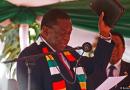
The author argues that the 2018 general elections in Zimbabwe were largely non beneficial to the poor and the working class in general. They were rather a titanic battle of capitalists’ interests in form of neo-imperialism.

The historic Zimbabwe presidential and parliamentary “harmonised’ elections of 30 July 2018 have just been concluded. The final results tally saw President Emmerson Mnangagwa getting 2,460,463 votes (50.8 percent), ahead of his nearest rival Nelson Chamisa who got 2,147,436 votes (44.3 percent). The 50.8 percent by the President meant he scrapped above the legal 50 percent plus one vote necessary to avoid a run-off election.
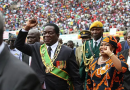
National harmonised parliamentary and presidential elections in the Southern African state of Zimbabwe were held on 30 July, but opposition forces rejected their outcome seeking to continue Western sanctions and attempted isolation.
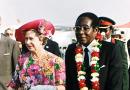
Over the past two decades, the world could have been hoodwinked by Western governments’ imposition of targeted sanctions on then Zimbabwean president Robert Gabriel Mugabe’s tyrannical regime, on the pretext of human rights abuses and electoral fraud. However, was that the real reasons for these targeted sanctions on Mugabe and members of his ruthless regime?