



There are many distortions in the dominant narratives around the 1976 students’ uprising. One of the most critical of these is the persistent, subtle projection of that uprising as the exclusive initiative of young men, to the complete exclusion and erasure of the invaluable contributions and sacrifices of young women. This constitutes epistemic violence against Black women.
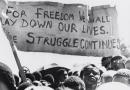
As long as societies are built on needless greed and exploitation, the seeds of revolution and radical change will always be present - more so in societies where the potential for dissent has not been emasculated by a lifeless, uncritical penchant for “order”, conformism and a culture of silence enforced by the most cynical, most advanced mechanisms and stratagems of power.
Contrary to repeated claims, the Soweto Uprising of 40 years ago was organised and led by student members of the Black Consciousness Movement of Steve Biko. They are the people who politicised other students and imbued them with the revolutionary black consciousness philosophy. They were all found guilty of sedition in the Soweto 11 trial.
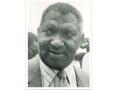
The Soweto Uprising of June 16, 1976 did not just drop from the sky. The Black students of South Africa did not wake up one day and begin resisting Bantu Education. The uprising was carefully organized and led secretly by leaders of the underground political movement, most of them militants of the banned Pan Africanist Congress of Azania (PAC).