


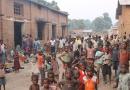
Global resource extraction interests in collaboration with corrupt local elites are providing incentives for a genocide against Indigenous people in the Democratic Republic of the Congo, and a virtual media blackout allows this travesty to continue unchecked.
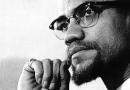
There was something quite different with Malcolm’s approach to human rights that distinguished him from mainstream civil rights activists. By grounding himself in the radical human rights approach, Malcolm articulated a position on human rights struggle that did not contain itself to just advocacy. He understood that appealing to the same powers that were responsible for the structures of oppression was a dead end.
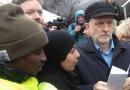
Gacheke Gachihi of Bunge la Mwananchi (People’s Parliament) social movement says his country faces a “very serious problem of shrinking democratic space”. Kenya has witnessed the criminalisation of human rights activism, funding cuts to civil society movements and a further entrenchment of systemic corruption – “and this is getting normalised”. The situation has deteriorated since the election of Uhuru Kenyatta in 2013.
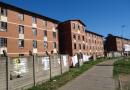
Yet another activist has been killed in South Africa. It is the 58th assassination in the Glebelands Hostel community, where state sponsored violence silences organizing and uprisings systematically. Why is there no media coverage, no civil society outrage or demands for investigation?