


Diplomatic and Self-organized Alternatives Must Prevail Over War
_julesvernex2.jpg)
Pambazuka News opposes war and militarization and its attendant consequences on human dignity and livelihoods. We call for self-organized movements of peace.
Pambazuka News opposes militarization, wars and conflicts that seek to create the contexts for unipolar hegemonies, imperial loot of resources, and the destruction of lives and livelihoods from the horn of Africa, to North Africa, Palestine, the red sea region, Iran, Eastern Europe, and the western hemisphere.
In the current moment, there is a need to stand in solidarity with all forces fighting for self-determination, human dignity, and peace. Issa Shivji’s contribution to this issue is one Pambazuka has been echoing – Africa needs to carve an independent position anchored in Pan Africanism.
The recursive process of militarism unfolding in Ethiopia with the Tsimdo coalition[1] festers the grounds for a bloody regional war in eastern Africa amid the determination of the Abiy government (a proxy for the UAE) to access the red sea through Eritrea by any means necessary. As Egyptian troops are set to replace the Ethiopian troops stationed in Somalia, the Zionist entity, Turkey, and the UAE (among other imperial countries that already have military bases in the region) continue to compete and fuel fragmentation. The Sudan war continues to rage on as conflicting forces are resupplied by foreign powers, with the most recent bombing and massacre of innocent civilians in northern Sudan, allegedly by Egyptian forces attempting to control gold mines, portrays the violent ways in which African lives are devalued. The reorganization of the M23 and Kabila supporters under the former president against the Congolese government is further threatening central Africa while backers of the group and opportunists freely exploit the minerals of the eastern DRC.
Bold proposals and diplomatic efforts are required to silence the guns everywhere. Most of all, Global Africans everywhere need to self-organize. All social forces invested in the humanity of Africans and the value of human life need to be engaged in movements that ensure all the life lost, families destroyed, and civilizations threatened will not be in vain. As external forces attempt to create superficial peace based on wealth and power sharing agreements that leave out the reparative justice necessary to rebuild our communities, Global Africans must stand firm and learn from the lessons of Iran.
The United States (US) and Iran have had a series of proposals and counter offers that have been jettisoned by both parties. Although the US has shown its unreliability, Iran continues to leave the window for negotiations open while their stance on self-determination does not waiver. Resistance and negotiation have become coexisting tools countering coercive diplomacy. Amid these postures, Iran's Foreign Minister Abbas Araghchi used the 81st session of the United Nations General Assembly and an interview in New York on September 27 to promote a diplomatic architecture intended to end the US war on Iran in seven days.
Day 1: Acceptance of the Roadmap. The United States accepts the seven-day roadmap and commits itself to implementing the measures set out in the proposal.
Day 2: End the Naval Blockade. The United States lifts the naval blockade of Iranian ports, removing a major element of the military pressure being applied against Iran.
Day 3: Restore Iranian Oil Exports. The United States waives sanctions affecting Iranian oil sales, enabling Iran to resume oil exports and regain access to international markets.
Day 4: Release Frozen Iranian Assets. The United States releases approximately $12 billion in frozen Iranian assets, providing Iran with immediate access to financial resources that have been blocked by sanctions.
Day 5: Establish a Regional Ceasefire. The United States observes a ceasefire covering the regional war, including Lebanon, creating the conditions for a broader cessation of hostilities.
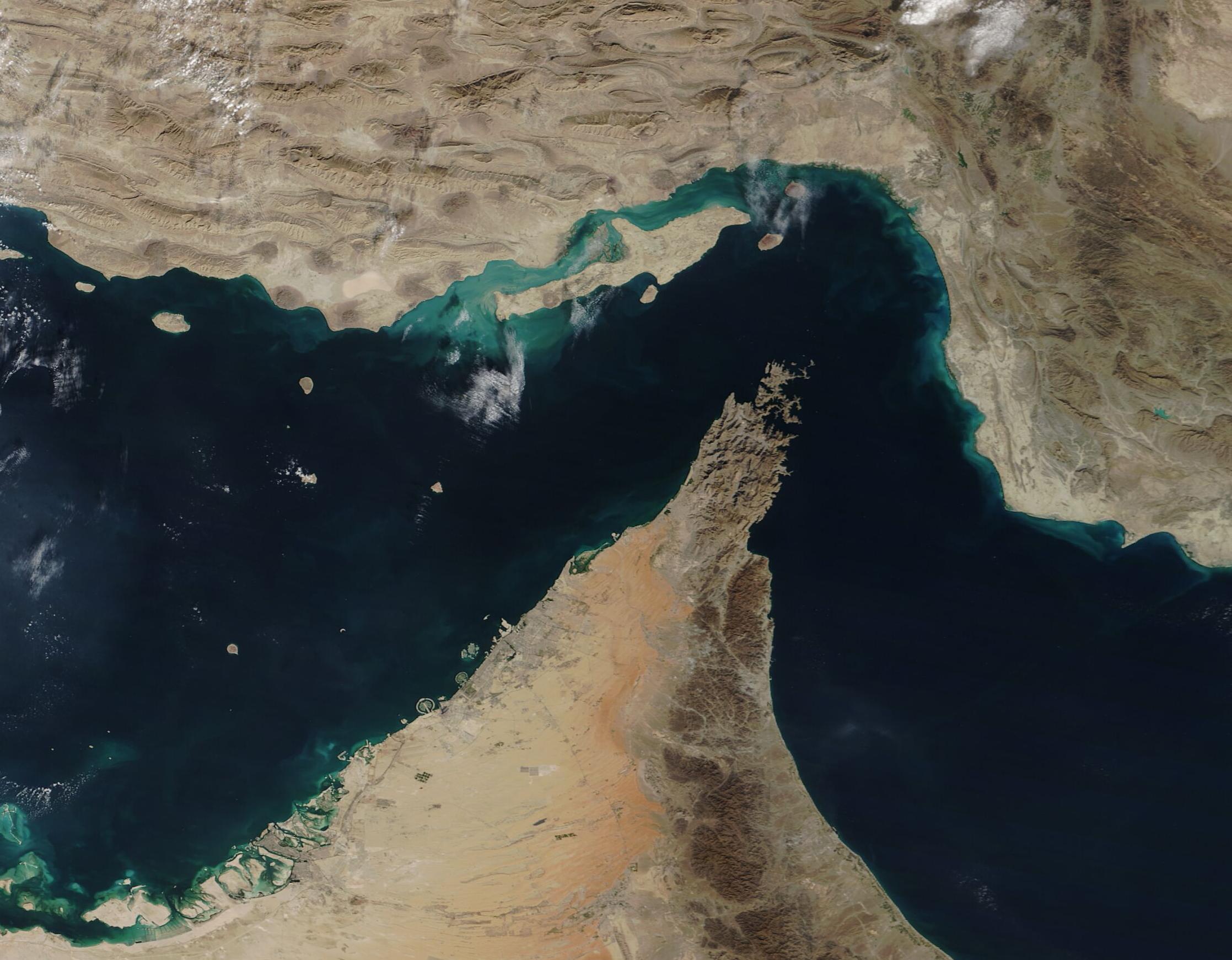
Day 6: Reopen the Strait of Hormuz. Following the implementation of these measures, Iran reopens the Strait of Hormuz and restores normal maritime passage. This is the principal reciprocal measure in the seven-day sequence.
Day 7: Resume Negotiations. On the seventh day, U.S.-Iran negotiations resume with the objective of reaching a comprehensive agreement, including negotiations concerning Iran's nuclear program.
Beyond Seven Days and Verbal Commitments
The seven-day roadmap for de-escalation and negotiations is structured around reciprocal steps, with the US challenged to take initial measures and Iran responding by reopening its portion of the Strait of Hormuz. Concrete actions are expected to shift the parties from military confrontation toward negotiations. The confidence-building measures and the sequencing could start with de-escalation on Washington’s part, and a common front in Iranian leadership at the resumption of negotiations.
For Global Africa, the proposal provides a concrete framework for ending the war. Other war fronts in Africa, Europe and the Western hemisphere must count the cost of military action on human lives and forge a diplomatic alternative that is not driven by muscle and threats but respect for sovereignty and the humanity of others. The massacres of civilians in Sudan, DRC, Ethiopia, and other war settings raise deep questions about the intentions of so-called self-determination fighters on the continent and whom they actually serve.
Negotiations should occur among the parties at war from the straits to resource-rich zones and hemispheres of interest. The central question is what sequence of reciprocal actions can create the political and material conditions for negotiations to succeed.
More importantly, negotiated agreements must not be papers that can be easily pushed into the dustbin to continue a war in the interest of more armed factions.
Wars outside Africa matter, given the interconnectedness of the world and the global systems that determine national political and economic outcomes. Wars on the continent matter even more, given the marginalising and retrogressive costs for African peoples. Before another gunshot is witnessed, Africans should answer the question: Do we really benefit from killing ourselves? Are there no diplomatic alternatives for redress? What is the responsibility of each African who will inevitably face the repercussions of escalating militarism?
Amani!!
Endnote
[1] Seven armed organizations – including those that have been fighting one another over the last few years – have now formed an alliance (Tsimdo) aimed at removing the incumbent Prosperity Party led by PM Abiy Ahmed. The organizations include the Afar National Unity for Democratic Front, Amhara Fano National Movement, Benishangul People’s Liberation Front, Gumuz People’s Democratic Movement, Ogaden People’s Liberation Front, Oromo Liberation Army, and Tigray People’s Liberation Front.