


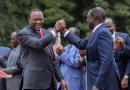
Kenyan political elites are using the mechanism of the election to cloak their authoritarianism in democratic credibility and shield themselves from international suspicion. The vote, so essential to popular participation and self-government, has become a critical component for a new electoral authoritarianism.

What is now being praised as a “peaceful” election was in fact the connivance of racist global capital against the Kenyan people. The so-called victory of Uhuru Kenyatta is a victory of private business. Kenyans should expect the collapse of public institutions in the next few years and increased militarization to keep the people in perpetual fear.

Kenya’s election this year amounts to nothing less than a coup by the incumbent, Uhuru Kenyatta. Every effort was made to infiltrate and control the electoral body. The heavy security preparations and the deluge of peace messages suggest that the outcome was already predetermined and the people’s resistance anticipated.

Kenya’s ethnic diversity is both a blessing and a curse. Whereas the diversity is a great heritage to celebrate, ethnicity has been used to create division for political ends. The country goes into elections on 8 August sharply divided along ethnic lines. Kenyan voters will do well in this election to elect leaders who are dedicated to serving the whole country, not sections of it.

Given Kenya’s generally violent politics, next week’s election has raised considerable anxiety inside the country and throughout East Africa. A lot depends on whether the electoral body will deliver a free, fair and credible poll. Or Kenyans will be well advised to store up some Ugali – the national staple food – in case the post-election period stretches out before things are finally settled.

Often too reform-oriented, current activism is incapable of midwifing radical transformation. Today’s activism is only mildly disruptive, is fragmented and addresses symptoms not systems. Its aims are short-term and it doesn't engage the masses. No coherent and convincing alternative visions are proffered. Instead, activists are busy petitioning the same oppressive powers they should be fighting. Entrenched systemic oppression can only be ended by a revolution.

Although relatively better off than its neighbours, Kenya remains a struggling economy dominated by foreign-owned tourism, agriculture, the services industries and a small manufacturing sector stunted by huge imports and counterfeits. Endemic corruption, increased integration into the global capitalist economy and neoliberal policies that favour a small fabulously rich class have conspired to hold the majority of citizens tight in the jaws of poverty.

Elections in Kenya have become a ritual performed periodically to legitimise the control of power by a few, while the majority remain silent, but enraged, waiting for the opportunity to vent their frustrations. Just a few months before the August 8 poll, all indications are that the type of leadership the country needs to end corruption and tribalism has no chance of rising. Kenya has a long way to go.
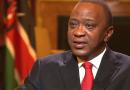
In the four years Uhuru Kenyatta has been in power, the country has accumulated huge debts that will take ages to settle. Official theft of public money stands at a third of the national budget. Kenyatta’s authoritarian tendencies have seen a shrinking of democratic space. Kenya is deeply divided along ethnic lines. As the August elections approach, it is increasingly clear that a new leadership is needed.

For the third month, Kenya’s doctors have demonstrated a remarkable spirit of resistance to worker oppression - to the extent of union leaders being imprisoned for championing their rights. But this is a much bigger struggle requiring the solidarity of all progressive forces. Kenyans need to rise up against a government that doesn't care whether they live or die.

A good deal of the ill-feeling within the AU toward the ICC has been generated by Kenya’s political leadership, whose president, Uhuru Kenyatta, and deputy president, William Ruto, were under investigation by the court for crimes against humanity committed during the 2007-2008 post-election crisis. They have successfully converted personal interests into continental grievance.

Kenyan elections have become increasingly delinked from the quest to meet the needs and aspirations of the people. They are almost entirely an elite circus providing the self-absorbed, politically impotent urban middle classes with something to Tweet about - or to pontificate on from the comfort of the bar stool - and the peasants perhaps a few coins or a branded T-shirt and free entertainment every five years.
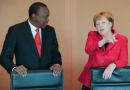
Kenyan President Uhuru Kenyatta’s frequent foreign travels are unprecedented in his country. His visit to Germany last month, touted at home as part of the president’s strategic engagement with the developed world, was a dismal flop. It is unlikely that anything meaningful for the people of Kenya came out of the trip.