


Equity, Equality, and Inclusiveness of All Spiritualities in Kenya
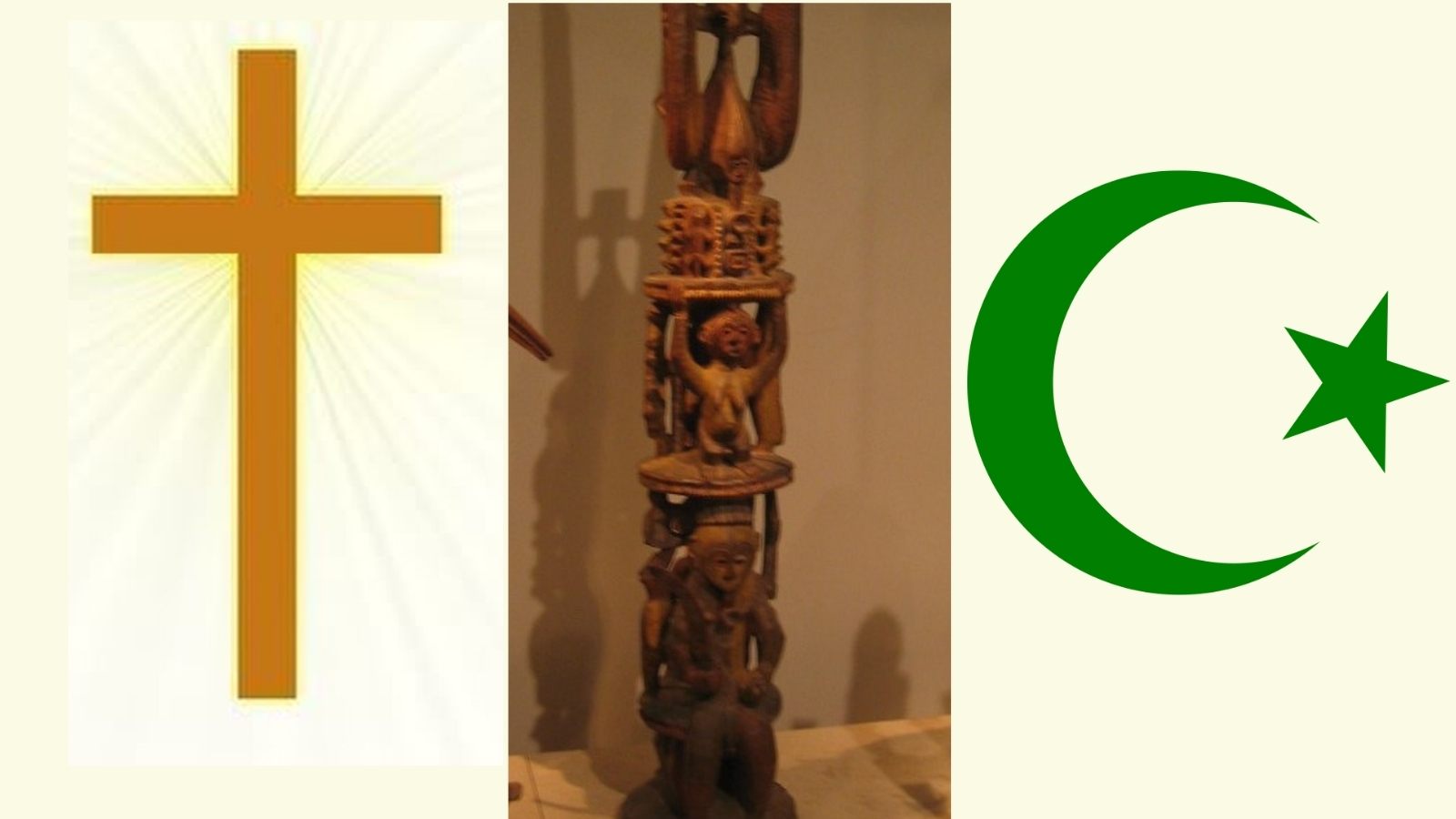
In a world where diversities in spirituality are weaponized to divide peoples, bridges across spiritual practices are emerging to ensure constitutional strive towards equity, equality, and inclusivity of religious inclinations succeeds. Mutunga explores this development in Kenya.
At All Saints Cathedral in Nairobi, on May 9, 2025, a scholar and theologian of great repute, Dr. Francis Omondi, was consecrated as the new Anglican Bishop in the Diocese of Garissa. Garissa is a county that has a majority of Muslims of the Sunni sect, and a minority of Christians. Bishop Omondi has worked in Garissa and has built a strong bridge between Muslims and Christians.
This bridge has been about consistent and continuous equity, equality, inclusiveness, co-existence, mutual respect, and inter-religious dialogue and peace. In a country where politics of division include religion, such a bridge breathes great life into the vision of the Kenyan Constitution. The Preamble to the Constitution captures this vision in the following words: “PROUD of our ethnic, cultural, and religious diversity, and determined to live in peace and unity as one indivisible sovereign nation.” The Constitution also protects all beliefs, opinions, conscience, and religion.
Bishop Omondi is well-read in Islamic doctrine and reads and speaks Arabic. Indeed, he is fluent in 20 Kenyan, African, and international languages. He has been described as “a writer with prophetic calling and a heart for the poor.” In the consecration, we prayed “For the nations of the world that they may peacefully coexist, and that a spirit of respect and forbearance may grow among nations and peoples.” We also prayed for “political tolerance among people of different political persuasions, for greater respect for one another’s opinions and convictions, for greater thirst after truth and justice for all, that political thuggeries and assassinations may come to an end, that people may enjoy the fullness of life as God intended for them.”
Bishop Omondi has also written on the African Traditional Religions (ATRs), cultures, and beliefs.[1] His forthcoming book God of our Ancestors will build a bigger and longer bridge that includes ATRs. Long gone are the times when ATRs were demonized as Satanic. They now occupy their place of equity. equality, and inclusiveness with other faiths and beliefs under the Constitution. It has to be made clear that equity, equality, and inclusiveness among all faiths and beliefs is itself a site of great struggle. The Messianic religions have not dropped their appetite to convert other beliefs and faiths into theirs. Notwithstanding this struggle, theologians like Bishop Omondi who has diligently followed in the footsteps of the late Archbishop Desmond Tutu, and his full commitment to the theology of Ubuntu/ Utu/ Humanity, this struggle will ultimately succeed.
It has been correctly argued that all religions and beliefs have one great common denominator: They are all anchored in the values of humanity. They may have different narratives of creation, as indeed the 4000 religions in the world have, but none challenges the many values that reflect our human dignity and overall humanity. We cannot, however, underestimate the role of human beings in subverting that common denominator. Human beings have been known to play God while Jesus and other prophets in the Messianic faiths should be the role models in the implementation of these values of humanity.
The differences in the Anglican Communion over the opening doors to their Churches for gay people have threatened to break that Communion.[2] It is clear to me that the vision of co-existence and mutual respect among all faiths and beliefs, and the attendant values of all religions can engage theological, constitutional, and legal arguments that tend to deny the gay community of their Creator (We tend to forget that Satan does not create, and indeed, Satan is God’s creation in the Holy Scriptures!) and human values that we all yearn to protect. With Bishops who do not believe that faiths can be built around one verse and that the Holy Scriptures have to be read holistically, the issues we face will be resolved.
The Secretary General of the Anglican Communion, on behalf of the Anglican Communion Office (ACO), congratulated Bishop Omondi on his election and consecration in the following words: “We honour the many ways in which your own life and work have continually brought together both church and academy, ‘Rome’ and ‘Athens’. I trust that will continue in your role as bishop. The breadth of your academic work is commendable and the international aspects of your ministry within the Anglican communion have been invaluable. This includes your role and contribution to the Anglican Inter Faith Commission.”
I believe the main beneficiaries of religious equity, equality, and inclusiveness are the ATRs and syncretists. The Kenyan Constitution has moved both of them from the margins of their colonial marginalization and abuse to the centre of equity, equality, and inclusiveness. It is also a fact that syncretism exists in Kenya with individuals believing in more than one religion. We thank God for the bridge builders and diplomats of common humanity and their quest for inclusiveness of all faiths.
The Kenyan Constitution itself owes its promulgation to the great role played by the Ufungamano Initiative, a conclave of Protestants, Roman Catholics, Muslims, and Hindus in Kenya. With their major following in the country, and fully supported by a robust secular civil society, we succeeded in promulgating a transformative constitution that focuses on social transformation and the overthrow of the colonial and neocolonial status quo in our country.
It is time that this unity, equity, equality, and inclusiveness of all faiths is reflected in the implementation of the Constitution. Bishop Omondi is not alone in the building of this constitutional bridge. In the Anglican Church in Kenya Bishop Omondi also follows in the footsteps of patriotic clergy who faced the country’s problems head-on and called for freedom, rights, reforms, tolerance, and a united nation.
Willy Mutunga was Chief Justice & President of the Supreme Court, Kenya, 2011-16. Since October 2021 he has served as Adjunct Professor in Public Law, University of Kabarak Law School.
Endnotes
[1] Omondi, Francis. 2024 “Kiama kia Athuri” Rituals, and Challenges to Agikuyu Christians.” African Theological Journal for Church and Society 5(1)77-104; Omondi, Francis. 2025 “Inculturation and Indigenization: An African Theologian’s Perspective,” The Living Church Online Journal. https://livingchurch.org
[2]Omondi, Francis: The Primates’ Squabbles: Same Sex Tiff Dividing Anglican Communion.’ https://the elephant.info/features/2023/07/08/the-primates-squabbles-same-sex-tiff-dividing-anglican-communion/