


From Protest to Regime Change in Madagascar: Positive Development or Mere Change in Ruling Uniform?
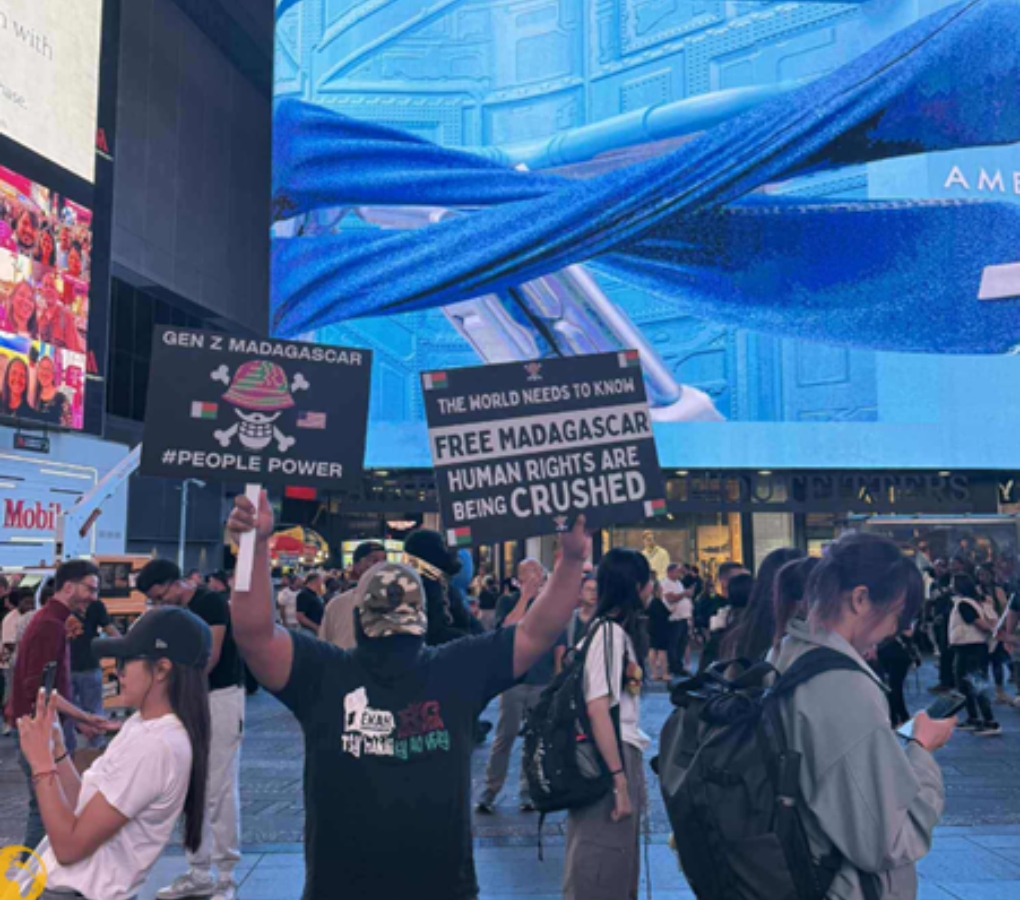
Explaining the Gen Z protests and the overthrow of the President of Madagascar
The past week has witnessed mounting protests by the youths in Madagascar. The development is reminiscent of demands that have resurged in West Africa, East Africa, North Africa, Asia, and Europe. In Africa, whether it is Togo, Kenya, Morocco, or Madagascar, Gen Z protesters are demanding transformative change and responsive leadership that will provide the structures to improve their quality of life, and participate in the decisions that affect their lives and being in their respective countries. They want unemployment to be tackled, and corruption brought to a minimum, if not eradicated.
The unemployment and increasingly harsh conditions, amid so much wealth in the hands of the few which have been framing the protests across the continent also sparked Madagascar’s protests. As the energies and demands of the youth gained momentum, President Andry Nirina Rajoelina demanded talks with the youth. The call, however, seems to have come a little too late. The youth rejected the calls for a discussion with the government and demanded the president’s resignation. To these youths, it was needless to entertain any talks where a regime targets and crushes dissent and calls for justice, ruling with weapons while requesting dialogue.
When the youth-led protests started on September 25, the concerns of Gen Z ranged from basic living conditions to calls for radical changes to build an egalitarian, free, and united country. The youths (led by Gen Z Madagascar) wanted severe water shortages, inadequate electricity, poverty, cost of living crisis, the horrible living and working conditions even among educated youths, and corruption to end.
Gen Z Madagascar is a “Mouvement Politique Des Jeunes, par les Jeunes, pour Madagascar,” that is a “Youth Political Movement, by Youth, for Madagascar.” Gen Z Madagascar has explored the digital space for its demands and rallied the youth to champion for change in the country. For the protest organisers, the digital space broadened the grounds for protests. They note that “Ils n’ont pas voulu nous entendre dans la rue!!! Aujourd’hui, grâce au digital et à la voix de la Génération Z, nous ferons entendre notre voix à la table du pouvoir du coté de l’opposition. Pour mettre fin à 16 ans d’immobilisme, exigeons transparence, responsabilité et réformes profondes.”
The assertion translates as “They didn't want to hear us in the streets!!! Today, thanks to digital technology and the voice of Generation Z, we will make our voices heard at the table of power on the opposition side. To put an end to 16 years of inaction, let's demand transparency, accountability, and far-reaching reforms.” This statement acknowledges the power of the digital space in grassroots mobilization for change when the streets remain a restricted zone.
Gen Z Madagascar and its allies were organised specifically around the following objectives:
-
Immediate resignation of President Andry Nirina Rajoelina and his government.
-
Dismantling of the hierarchy of the following corrupt institutions: the Senate, the CENI, and the HCC.
-
Bring to justice the businessman close to the president for the acts with which the nation accuses him.
The Madagascan youths aimed to explore a series of local and international protests, administrative blockade, global media spaces, and complaints to the International Court of Human Rights to seek redress for:
-
Organized crimes against the Malagasy people
-
Abuse of power
-
Corruption
-
Embezzlement of public funds
-
Repression
-
Opening of an investigation into ill-gotten gains against President Andry Rajoelina
As the 3-week protests intensified, the President fled, allegedly in a French military aircraft on Sunday, 12 October, to hide in a safe place outside the country. Consequently, the constitutional court ruled that the President could not continue to hold out as a president while he is not living in the country.
On Tuesday (14 October 2025) morning, MPs voted to impeach the President, while the President issued a decree to dissolve the National Assembly. Opposition resistance and Gen Z celebrations on the impeachment however ruled out any chances that the decree of the embattled leader would be obeyed.
By Saturday, 11 October, soldiers joined the Gen Z protesters in their demand that President Andry step down. Soldiers from the Corps d'administration des personnels et des services administratifs et techniques (CAPSAT) unit of the armed forces rallied behind the Gen Z-led demonstrations and took over the government of the country by the following Tuesday.
CAPSAT controls key aspects of the army, such as personnel management, administrative support, logistics, and technical services, and it is found to have remained independent of the influences of the Rajoelina regime on the Madagascar military.
The military takeover by the elite unit ends a CAPSAT-Rajoelina bromance that began in 2009 when President Andry, then the mayor of the capital, Antananarivo, led protests with the support of CAPSAT which led to the military overthrow of President Marc Ravalomanana that year. Andry Rajoelina was elected after 9 years of transitional rule, and re-elected in 2023 for a second five-year term, which will no longer be completed.
The United Nations has expressed concerns about the military intervention and undemocratic change in Madagascar’s government. The youths of the country are, however, happy that the regime has been toppled, although the president insists it is still in charge, though in absentia.
Col. Michael Randrianirina has announced that he will be the interim President for two years. The Col has no mandate to be President. Madagascar is a member of the African Union and of the Southern Africa Development Community (SADC). Under the charter of the African Union, Col Randrianirina should not be allowed to take power from the youths and working peoples. The SADC Protocol on Politics, Defence and Security requires SADC to intervene to ensure that the military does not trample upon civilians.
Pambazuka shares in the demands for fundamental social change by the youth who have been affected by unemployment, high cost of living, the plunder of resources, and the lack of opportunity and pathways to live basic, decent lives and find fulfilment in the Island country.
We urge the youth and their allies to continue to press for meaningful political change and demand democratic practices that will contribute to the transformation of Madagascar and its more than 31 million peoples.
Pambazuka Editors