


When it comes to control of the populace, what are the imperialist, anti-imperialist or sub-imperialist characteristics of the BRICS network of countries: Brazil, Russia, India, China and South Africa? Can the BRICS deliver progressive outcomes – as some of its proponents claim – or not?
Like the richer countries of the North that are adopting tougher controls to stem the migration of people from the more impoverished, conflict-ridden South, South Africa is employing similar tactics. But this approach is futile, unsustainable and anti-people.
Is the end of global capitalism starting from South Africa? With its high rates of protest and record strike levels by global standards over the past decade, South Africa is a weak link in the global capitalist chain. A national organisation to harness this revolutionary fervour could change the world.
Big leader cults have a long history in South African politics. So to argue that South Africa needs new leaders is to misread the key political task on the leadership question. What the country really needs are new models of leadership that break fundamentally from the cult of the big leader, and organisational forms that create the basis for more sustainable leaderships to emerge.
Coverage of the Israeli violence in Gaza is poor, especially in South Africa where the media relies on reports from international news organisations. There seems to be too much attention devoted to the rituals of journalism. The truth about the Israeli occupation ought to be told
Countries in the South have jumped on the biometric bandwagon, including South Africa, in spite of the many red flags about the technology. Citizens need to be aware that the ID cards allow governments to carry out surveillance of people considered to be a threat to the interests of the ruling classes
It seems likely that more South Africans who really care about the future of the country will move beyond the ruling African National Congress (ANC) and start the difficult, protracted affair of building political alternatives. Some already are.
The deeper causes of the miners’ tragedy are to be found in a pattern of clampdowns on workers’ struggles. Local authorities have a track record of frustrating and even prohibiting gatherings to protect powerful mining interests.
Media freedom in South Africa has been receiving bad press recently, although most of the attention has focussed on threats to print and broadcasting freedom. Little attention has been paid to creeping censorship of the supposedly most democratic medium of all, namely the Internet.
Evidence is emerging from many parts of the country that freedom of expression is not the only constitutional right in trouble at the moment: the right to assembly, demonstration and picket is as well.
As part of a broad climate of political intolerance, incidents of torture of both activists and criminals in South Africa appear to be on a disturbing rise, writes Jane Duncan.
South Africa’s Protection of Information Bill (POIB) – known publicly as the Secrecy Bill – represents the biggest threat to academic freedom since 1994. Yet the voice of universities has been missing from the uproar over the bill, writes Jane Duncan.

With South African Sunday Times reporter Mzilikazi wa Afrika arrested on Wednesday 4 August following complaints from Mpumalanga province premier David Mabuza, Jane Duncan writes about the alarming questions developing around freedom of expression in the country. But wa Afrika’s experience, Duncan stresses, will be far from alien to many local activists, who will be all too familiar with small-town repression, even if such stories prove to be routinely ignored by the mainstream media.
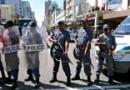
South Africans appear to have had their constitutional right to protest suspended during the 2010 World Cup, writes Jane Duncan, following a directive from the country’s police service (SAPS) to municipalities hosting matches. Sceptical of claims that the country does not have the capacity to police marches and the World Cup simultaneously, Duncan asks whether SAPS decision is motivated by ‘the need to remake South Africa's brand in the international media as a land of peace, reconciliation and stability’, or if it reflects, more seriously, ‘an intensification of a recent trend towards suppressing the waves of protest action’ by the Zuma administration.