


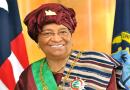
The book is a fascinating portrait of a deeply courageous, intelligent, shrewd and determined woman possessed, at an early age, of a sense of high destiny and a deeply patriotic commitment to serving her country – even if that meant making frankly rebarbative choices. Serleaf has been consistently pragmatic, determined to undo decades of despoliation visited upon Liberia by successive regimes, in some of which she served.
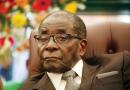
If Zimbabwe’s heroines Mbuya Nehanda and Sekuru Kaguvi were here today, what would they have done as the country is run down by erstwhile liberators gone rogue? Fold hands and watch? Make social media jokes out of their suffering and laugh at themselves? Throw stones at those who dare rise and speak out? No! Those two were allergic to indignity, exploitation, suffering without action, disenfranchisement and subjugation.
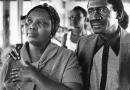
Mama Sobukwe epitomises the collective experiences of many Black women throughout the Afrikan continent and diaspora whose roles and contributions in the liberation struggle remain unacknowledged, written out of popular historical narratives, biographical memory and national consciousness.

When girls are denied the opportunity to education, it limits their chances to access other opportunities including decent employment, leadership and information and to make informed choices. Girls who drop out of school are also likely to end up in child marriages.
By punishing pregnant girls and denying them their education, the government is penalizing them on the basis of gender and is curtailing their futures so they are likely to remain trapped in a cycle of poverty. Around one in four females in Tanzania is illiterate.

The Tanzanian president’s directive that teenage mothers should not be allowed back in public schools is troubling. The dreams and aspirations of a young girl must not to be sacrificed on the altar of adolescent misbehaviour.
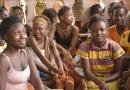
Sierra Leone bans pregnant girls from school. The government maintains that they are a bad influence to the rest of the students. This has had negative ramifications for many girls who desperately want to continue with their education. The ban is not only discriminatory but also exposes government failure to address widespread sexual violence against girls.
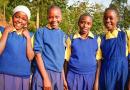
I want her to live in freedom and safety not in fear and confusion and not surely in a sanitized bubble where everything is rosy. What I want for her is a future where she will not be violated or put down simply because she is a girl.
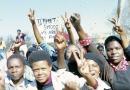
There are many distortions in the dominant narratives around the 1976 students’ uprising. One of the most critical of these is the persistent, subtle projection of that uprising as the exclusive initiative of young men, to the complete exclusion and erasure of the invaluable contributions and sacrifices of young women. This constitutes epistemic violence against Black women.
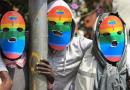
The African Commission on Human and Peoples’ Rights has taken on issues of sexual orientation and gender identity, topics that some may have considered too “controversial” but that fall squarely within the ambit of human rights.
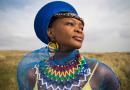
Every single revolutionary who has walked this Earth has said it: The liberation of humanity is impossible without the liberation of women. And, for the millionth time, here is why:
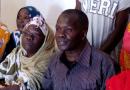
Nubians have lived in Kenya for a century, but they are still discriminated against by the government that treats them as foreigners. Getting a national identity card is very difficult. And even after that, Nubians are vetted throughout their lives. Now their efforts, including engaging regional human rights mechanisms, to negotiate the complex bureaucracy are beginning to bear fruit.

How do we create new men in Africa? A process of consciousness raising, or the journey of men increasing their self-awareness of patriarchy or male domination, is required. The new man should be able to experience empathy, to care for others, show compassion and to discuss their emotions openly.
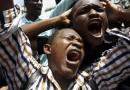
The common narrative is that the number of deadbeat daddies in South Africa is frighteningly on the rise. In communities everywhere, there are numerous single mothers battling to raise children with little or no support from fathers. This is the scenario being painted luridly in the media and word on the streets. But, perhaps, it is possible to play the devil’s advocate, turn the prevailing narrative on its head and send it into a tailspin, and become, as it were, politically contentious?
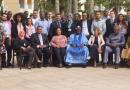
The youth have great potential to advance gender equality in Africa, given the fact that they are not overburdened by gender stereotypes and patriarchy. The greatest value of enlightenment and education of young men and women to promote gender equality is to create a new generation of gender activists that can shift minds and hearts to redress historical and present injustices against women.
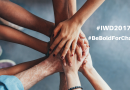
This year’s International Women’s Day (IWD) celebration may have come and gone, however, its theme continues to reverberate around the world. The #BeBoldforChange mantra challenges everyone to help create a more gender inclusive world beginning in their spheres of influence. I think this is a very apt disposition.
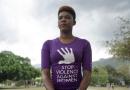
Last week in six Caribbean countries - Antigua and Barbuda, Bahamas, Barbados, Guyana, Jamaica, Trinidad and Tobago - survivors of gender based violence and their supporters took to the streets for International Women’s Day in solidarity with the #LifeInLeggings movement to raise awareness and to demand adequate measures to end the vice.
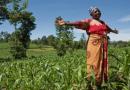
To mark this year’s International Women’s Day, the Office of the UN High Commissioner for Human Rights published its first-ever report on the human rights of African women. The report celebrates important achievements such as provisions on sexual and gender based violence, economic, social and cultural rights and the principle of non-discrimination in constitutions, polices and in legislations across the continent.
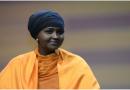
Fadumo Dayib became Somalia’s first woman candidate for the presidency in the recently concluded election. Of course she did not win in the deeply patriarchal society. But her decision is courageous and inspirational. Lots of work needs to be done to disrupt firmly rooted beliefs and practices against women in Somalia.

Sex workers do not need pity or saviours. They do not need cash handouts or sewing machines, or even baptism. Rather they need safer working conditions, protection from violence and arrest, as well as the freedom from stigma and equal pay for their services.